The flue gets the attention, the ends get the damage
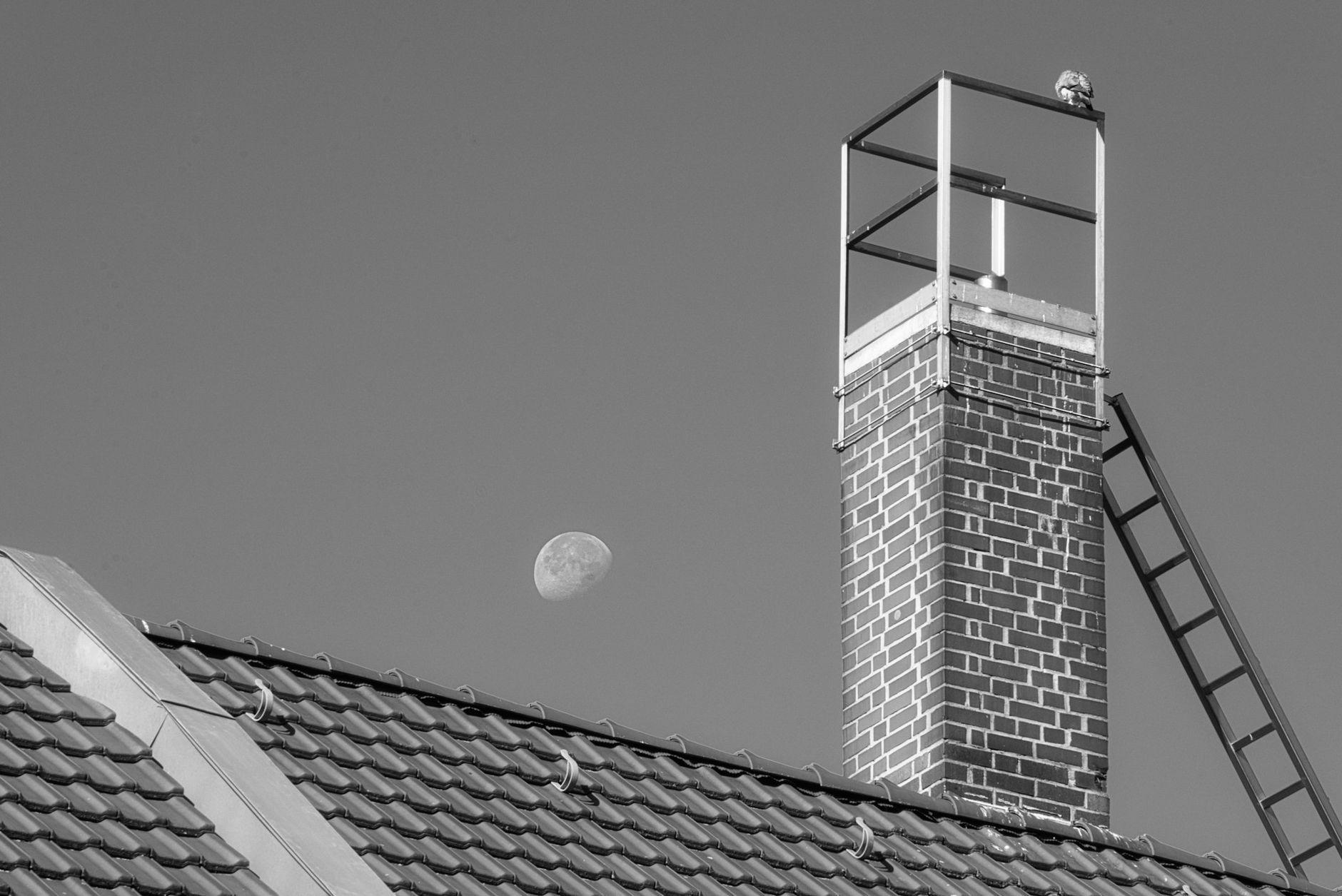
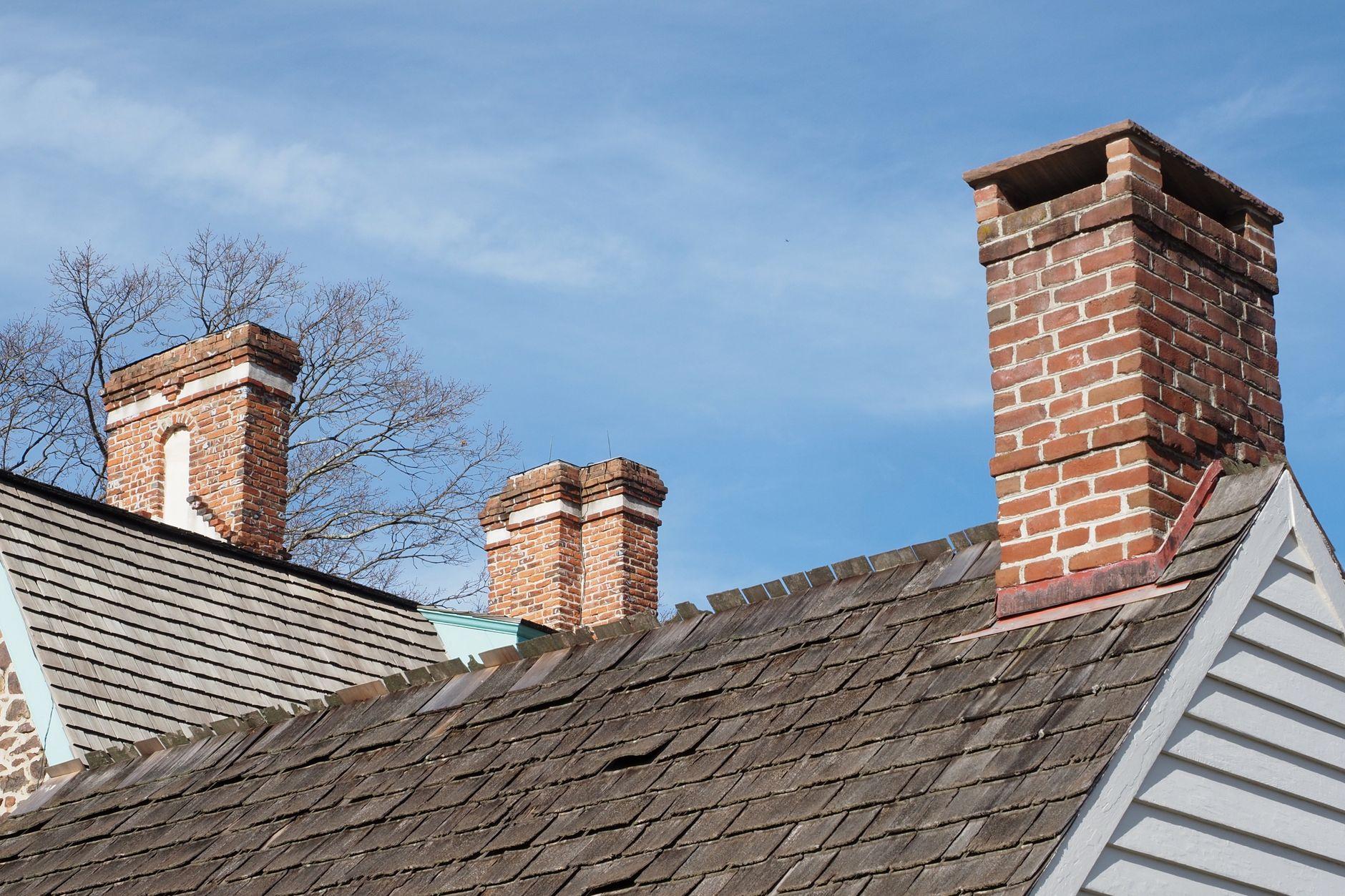
When people think about a chimney fire, they think about the flue, and rightly so. But in West Covina we often find that the parts at the top and bottom of the chimney took the worst of it. The damper sits right above the fire. The crown and cap sit where the hottest gas leaves the flue. On a factory-built chimney, the metal chase cover is the lid on the whole box. Heat from below, or embers from a wildfire nearby, can damage all of them, and each one fails in its own way.
These are smaller jobs than a reline or a rebuild, but they decide whether rain gets in after the fire and whether the fireplace can be shut off between uses. Leave them and the next winter storm can do as much harm as the fire did.
At the bottom: the damper
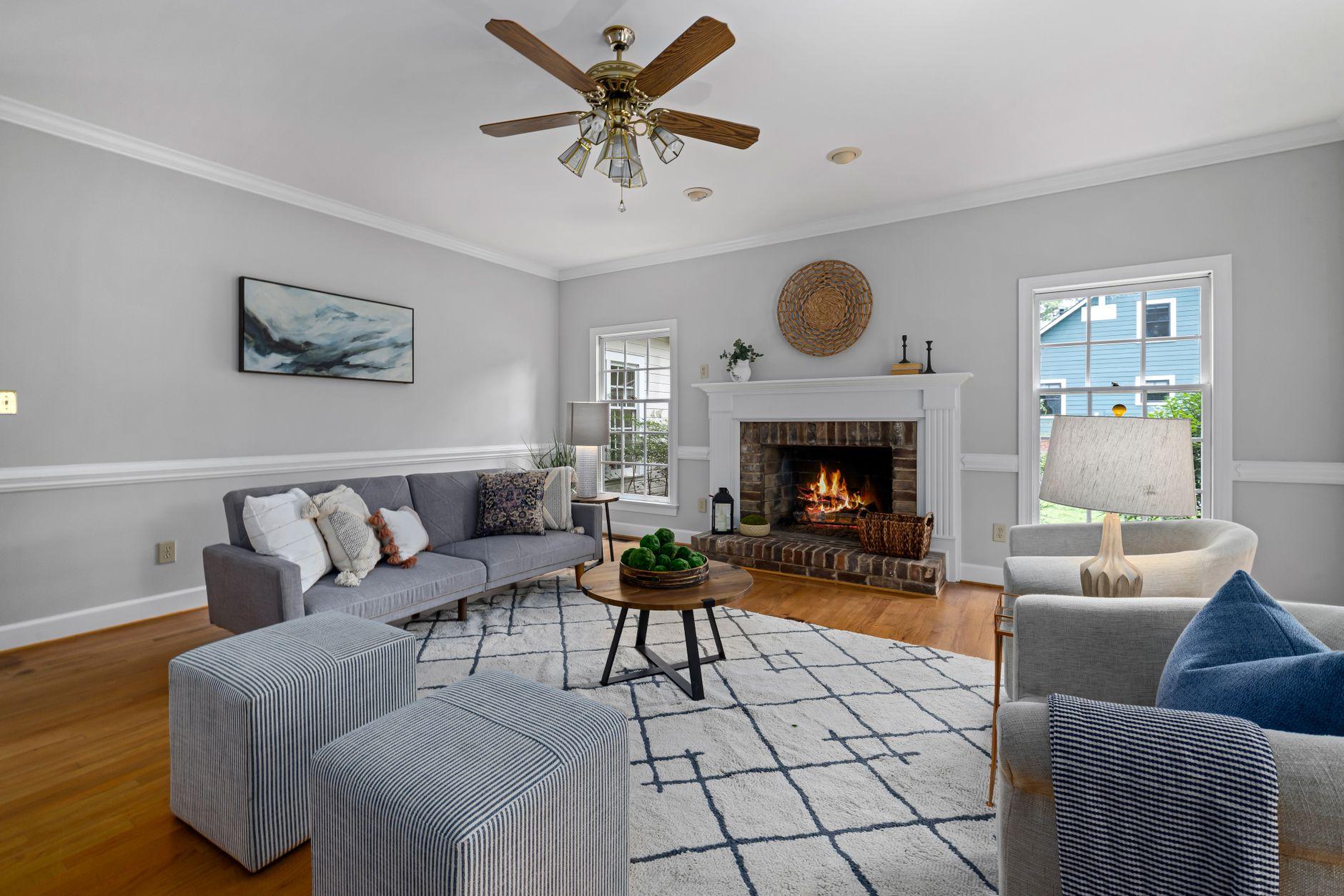
The damper plate sits in the throat, a few feet above the grate. In a chimney fire it can glow. What we find afterward:
- A plate bent out of shape so it no longer closes against the frame
- A frame cracked or pulled loose from the brick around it
- A handle or rod that has seized because the pivot warped
- Parging in the smoke chamber above it cracked or fallen away
A damper that will not close leaks heat out all winter and lets rain and debris fall into the firebox. One stuck shut fills the room with smoke the next time someone lights a fire. Some can be freed and refitted. Others are past saving, and then the choice is a new damper in the throat or a sealing damper fitted at the top of the flue under the cap. See our damper repair page.
At the top: the crown
The crown is the concrete slab that closes the top of a brick chimney around the flue tile. When the tile heats up in a fire it grows, and if it was set tight in the crown, it pushes. The result is cracks radiating out from the tile, sometimes a crown split in two. Neither shows from the street, and both let water straight into the brick. Fine cracks can be sealed. A crown that has broken through is taken off and replaced with a new one that leaves room for the tile to move. Our crown repair page covers both.
The cap and the chase cover
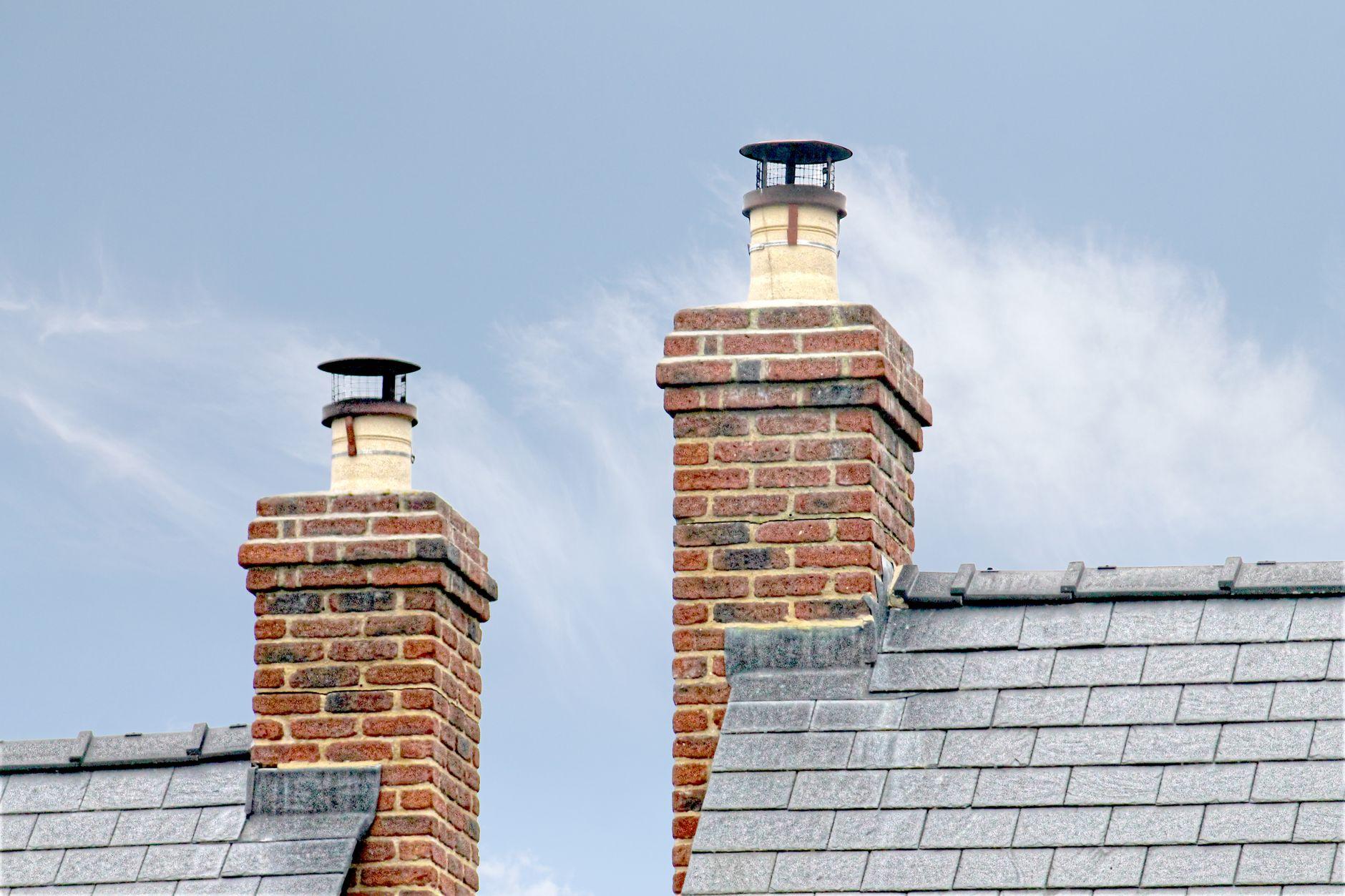
A cap that sat over the fire can come out scorched, its mesh burnt through or clogged with ash. Embers from outside can do the same. A damaged cap no longer stops sparks on the way out or rain on the way in, so we replace it once the flue below is sound.
Homes with a factory-built fireplace have a wood-framed chase on an outside wall where a masonry stack would otherwise sit, and the top of that chase is a metal cover. Heat from the flue or embers from a nearby wildfire can warp or burn it, and a warped cover holds water and rusts. We fit replacements made to the measured size of the box. See our chase cover page.
Water after the fire
Most of the leaks we trace after a fire start at one of these parts. A cracked crown lets water into the brick. A warped chase cover lets it into the framed box. Flashing beside the chimney can lift if the brick moved in the heat. Owners often see the first sign weeks later, as a stain on the ceiling by the fireplace or a damp smell in the firebox after rain. Our leak repair page explains how we trace it.
What decides the price of each
| Repair after heat damage | Price |
|---|---|
| Finding and stopping a leak the fire caused | $550 to $3,300 |
| The camera visit that sorts out what is damaged | $385 |
| Crown, damper or chase cover | written figure after we measure |
| New cap, once the flue is sound | quoted after we measure |
We size and price a cap on the roof, because a single small flue and a wide cap over several flues are very different pieces of metal. The leak range runs from one source to several. Crowns, dampers and chase covers have no fixed price on this site. They vary with the size of the chimney top, the type of damper and the shape of the chase.
Tell us what you have noticed since the fire: a damper that will not move, water in the firebox, a stain near the chimney or ash on the roof. That tells us which parts to look at first when we come out.
Wildfire heat from outside
North of Glendora, the foothills meet the San Gabriel Mountains, and in a fire season with Santa Ana winds, embers travel. A house that never had a fire in its fireplace can still end up with a burnt cap, a scorched chase cover or a flue full of ash. The check is the same as after an inside fire, and the report names the cause as outside heat where the evidence points that way. Our insurance report post covers how that gets written up.
Sealing the brick afterward
Once the crown is sound and any open joints are repointed, some owners want the brick above the roof treated with a water repellent that still lets the masonry breathe. It is not a fix for cracks and we only apply it on sound brick. See our waterproofing page.
Around West Covina
We do this work in West Covina, Baldwin Park, Walnut and Glendora. For the larger post-fire jobs, our reline or rebuild post is the next read.
If the top or the bottom of your chimney has not looked right since the fire, write to us through the contact page and we will come and look at both ends.
Dealing With a Chimney Fire Right Now?
Fitzroy finds what the heat reached before talking about repair, and writes it up with photos you can pass to an insurer. We work from West Covina across Baldwin Park, Walnut, Glendora and the wider San Gabriel Valley.